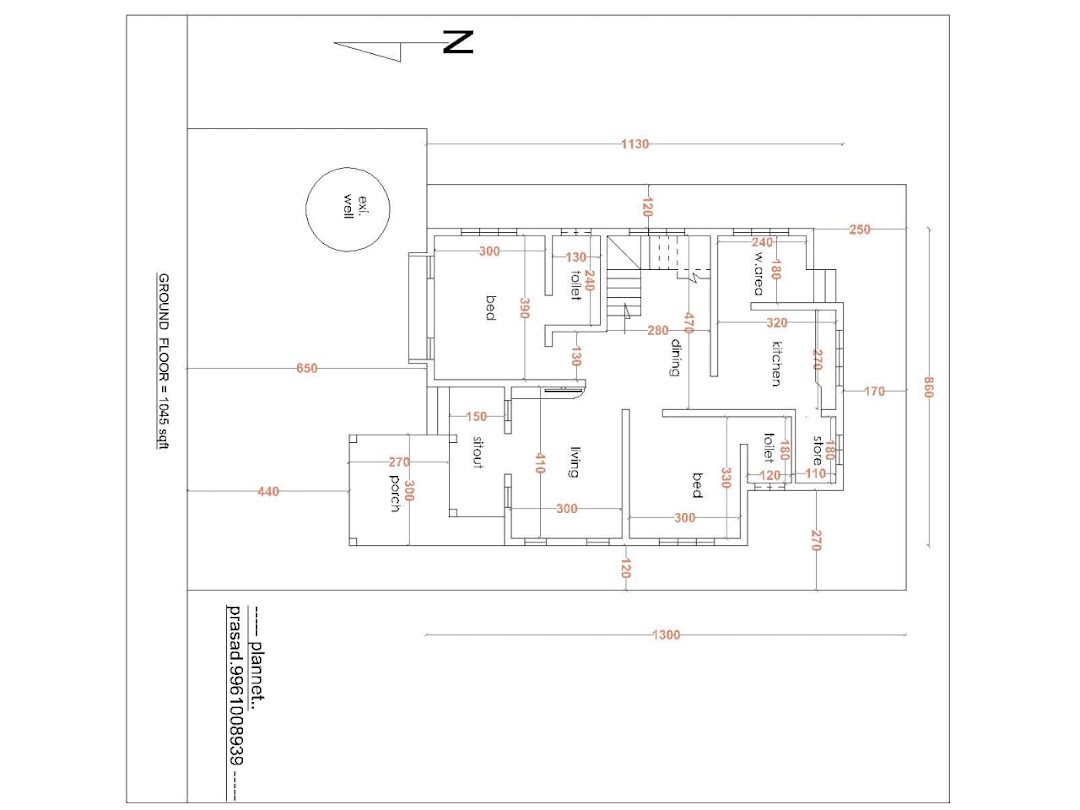
Residential constructionEditThis section does not cite any sources. Please help improve this section by adding citations to reliable sources. Unsourced material may be challenged and removed. (June 2017) (Learn how and when to remove this template message)FramingThe most popular method of residential construction in North America is wood-framed construction. Typical construction steps for a single-family or small multi-family house are:Obtain an engineered soil test of lot where construction is planned. From an engineer or company specializing in soil testing.Develop floor plans and obtain a materials list for estimations (more recently performed with estimating software)Obtain structural engineered plans for foundation and structure. To be completed by either a licensed engineer or architect. To include both a foundation and framing plan.Obtain lot surveyObtain government building approval if necessaryIf required obtain approval from HOA (homeowners association) or ARC (architectural review committee)Clear the building site (demolition of existing home if necessary)Survey to stake out for the foundationExcavate the foundation and dig footers (Scope of work is dependent of foundation designed by engineer)Install plumbing groundsPour a foundation and footers with concreteBuild the main load-bearing structure out of thick pieces of wood and possibly metal I-beams for large spans with few supports. See framing (construction)Add floor and ceiling joists and install subfloorpanelsCover outer walls and roof in OSB or plywoodand a water-resistive barrier.Install roof shingles or other covering for flat roofCover the walls with siding, typically vinyl, wood, or brick veneer but possibly stone or other materialsInstall windows
- Address:Mannarpadam, Feroke, Kerala 673631, India
- Civil engineering company
- Monday:8AM–5PM
- Tuesday:8AM–5PM
- Wednesday:Closed
- Thursday:8AM–5PM
- Friday:8AM–5PM
- Saturday:8AM–5PM
- Sunday:8AM–5PM
Similar organizations
- FEROKE TRADERSMarket Road, Feroke, Kerala 673631, India
- Er. AFSAL KP (Structural Engineer)Near shas cafeteria, Karuvanthiruthy PO, Feroke, Kerala 673631, India
- CaCalicutferoke chandhakadavu, Feroke, Kerala, India
- HILL WOOD READY-TO-FIT WOOD DOORSChungam, Kozhikode-Nilmbur-Gudallur Rd, Feroke, Kerala 673632, India
- Marvel curtain makerFeroke - Karuvanthuruthy Rd, Madathilpadam, Feroke, Kerala 673301, India
- digital land surveyKadalundi Road, Feroke, Kerala 676361, India
- HillwoodFeroke, Kerala 673632, India
- UlUltra Tech CementFeroke, Kerala 673631, India
- FeFero ShopPetta, Feroke, Kerala 673632, India
- ZAZAHRA Paving BlockPetta, Feroke, Kerala 673632, India


