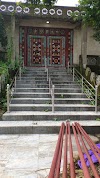
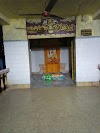
Area is vast and the oldest ashram in cutback.
MenuWhat is leprosy?Leprosy, also known as Hansen’s disease, is a chronic infectious disease caused by Mycobacterium leprae. The disease mainly affects the skin, the peripheral nerves, mucosal surfaces of the upper respiratory tract and the eyes. Leprosy is known to occur at all ages ranging from early infancy to very old age. Leprosy is curable and early treatment averts most disabilities.TransmissionThe exact mechanism of transmission of leprosy is not known. At least until recently, the most widely held belief was that the disease was transmitted by contact between cases of leprosy and healthy persons. More recently the possibility of transmission by the respiratory route is gaining ground. There are also other possibilities such as transmission through insects which cannot be completely ruled out.Seeking skin lesions, Brazil, 2015 ©WHO/PAHOSigns/symptoms and diagnosisClinical signs are easy to observe. In a country or area with a high incidence of leprosy, an individual should be regarded as having leprosy if he or she shows ONE of the following cardinal signs:skin lesion consistent with leprosy and with definite sensory loss, with or without thickened nervespositive skin smearsThe skin lesion can be single or multiple, usually less pigmented than the surrounding normal skin. Sometimes the lesion is reddish or copper-coloured. A variety of skin lesions may be seen but macules (flat), papules (raised), or nodules are common. Sensory loss is a typical feature of leprosy. The skin lesion may show loss of sensation to pin pick and/or light touch. Thickened nerves, mainly peripheral nerve trunks constitute another feature of leprosy. A thickened nerve is often accompanied by other signs as a result of damage to the nerve. These may be loss of sensation in the skin and weakness of muscles supplied by the affected nerve. In the absence of these signs, nerve thickening by itself, without sensory loss and/or muscle weakness is often not a reliable sign of leprosy.Leprosy can be classified on the basis of clinical manifestations and skin smear results. In the classification based on skin smears, patients showing negative smears at all sites are said to have paucibacillary leprosy (PB), while those showing positive smears at any site are said to have multibacillary leprosy (MB).Treatment of leprosy
Many thanks to all of you for supporting this medical.
Very good hospital for treatment of Leprosy patients. The patients who are suffering from Leprosy are residing in this hospital premises for treatment. After treatment they get discharged. Medicines, diets and other services offered free of cost to all patients. The hospital managed by Government of Odisha. Very nice service. Doctors and staffs are friendly and cooperative. Parking place available here.
NC people .help them to live a better life
Good people doing gods work
Compassionate stay for the patients
Needs more development.
Rameswar mandir Niladrivihar newcolony
Needs more facilities
A place the serves the ppl with leprosy....n serves them well.
Nice hospital
Good environment
Nuabazar, cuttack.
Good
Nice place
Love
Clean area
Service to human is warships to God
Good
Id like
Like it
Average service this place
Nature
Swachh Bharat Abhiyan place
Nharucalni
- Address:Naya Bazaar, Cuttack, Odisha 753004, India
- Ashram
- Wheelchair accessible entrance:Yes
Similar organizations
- Mauni Baba Math Udaseen AshramTulsipur, Cuttack, Odisha 753008, India
- Swami Bichitra Nanda AshramDeulasahi Rd, Alisha bazar, Balipatna, Cuttack, Odisha 753002, India
- Atma Vidya GurukulamMukteswara Temple Trust.AT-Balisukri, Po-Kishorenagar, Cuttack, Odisha 754131, India
- Shanti AnandashramBalisahi, Nuapada, Cuttack, Odisha 753010, India
- SHREE JAGANNATH SCIENCE ASHRAMSALEPUR college backside, canalroad, balisahi, Cuttack, Odisha 754202, India
- SaSarada Sunya Gadhi AshramSrivihar Colony, Masik Patna Colony, Cuttack, Odisha 753008, India
- Ananta Gopal Jew MathaAlisha Bazaar, Mohammadia Bazaar, Cuttack, Odisha 753008, India
- Daya AshramTulsipur Rd, Masik Patna Colony, Cuttack, Odisha 753008, India
- KrKriya Yoga International OrganizationsNimpur, P.O. Jagatpur, Cuttack, Odisha 754021, India